The RELIHC Approach to Treatment
Core Concept:
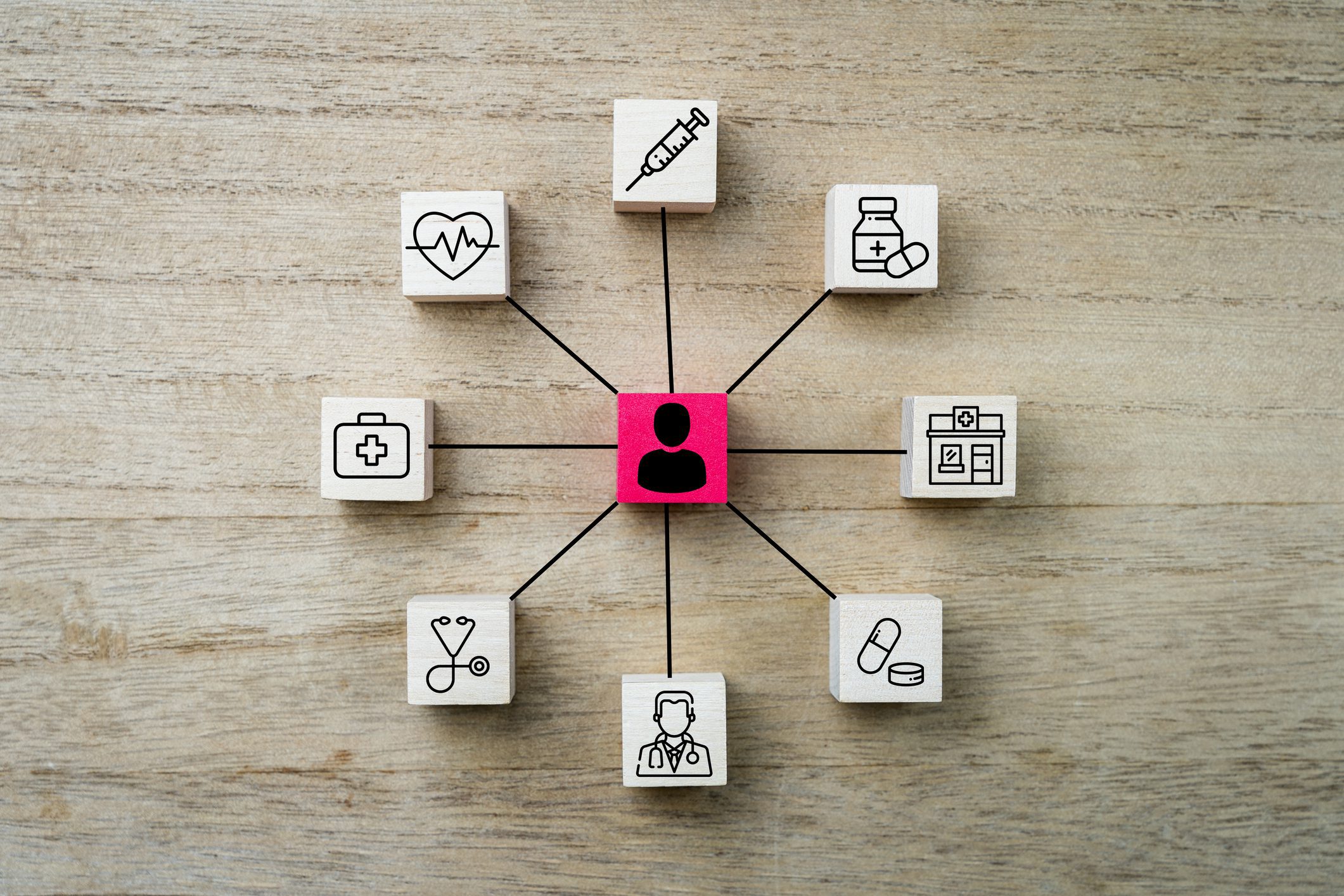
Treatment is not symptom-only—it is a whole-person model addressing:
- Mental health
- Physical health
- Spiritual well-being
Supporting Text:
Psychological symptoms are deeply interconnected with biological imbalances, behavioral patterns, belief systems, and environmental influences. Our approach integrates all of these dimensions to create meaningful, lasting change.
Our Clinical Foundation (REBT / CBT)
Evidence-Based Cognitive Framework
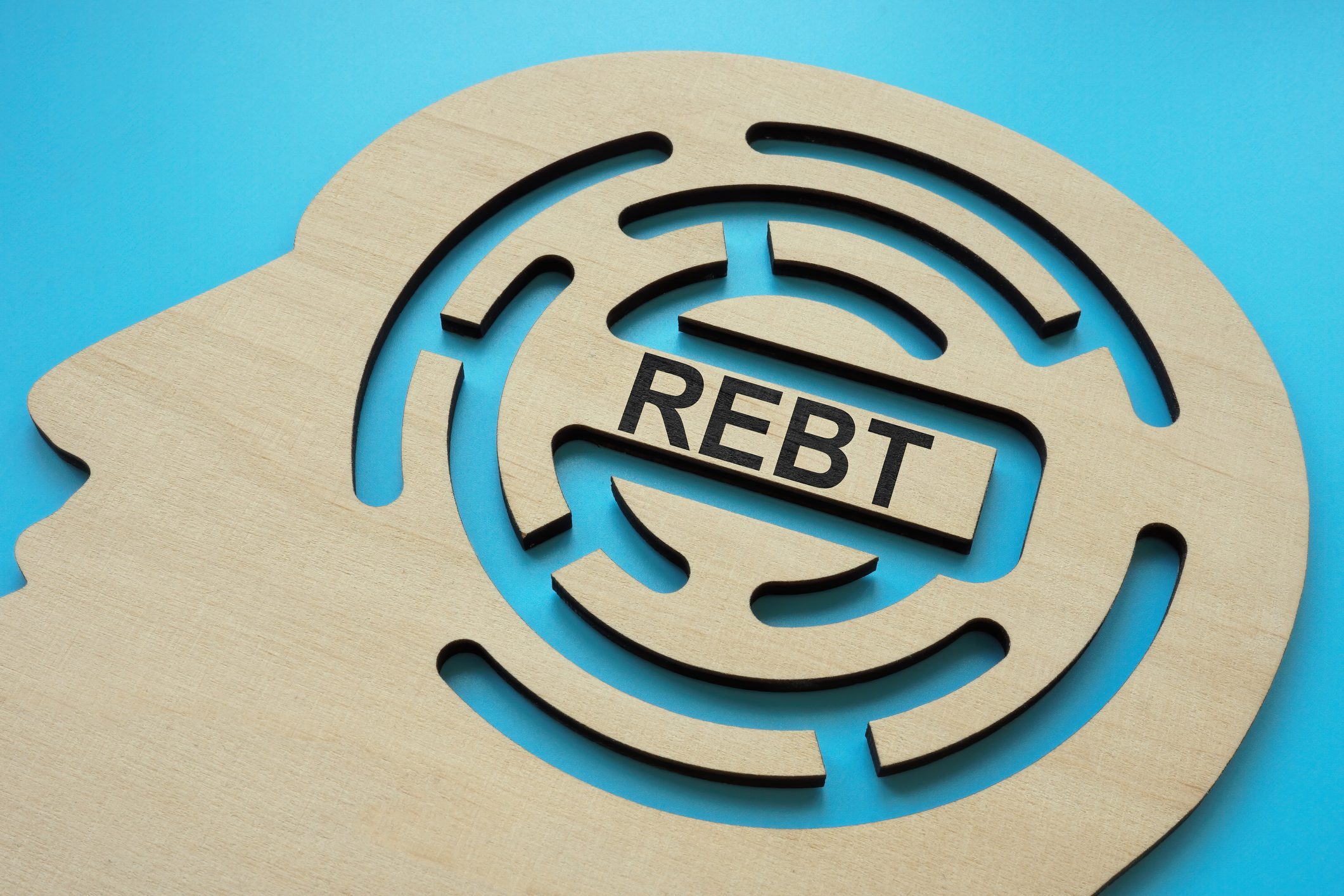
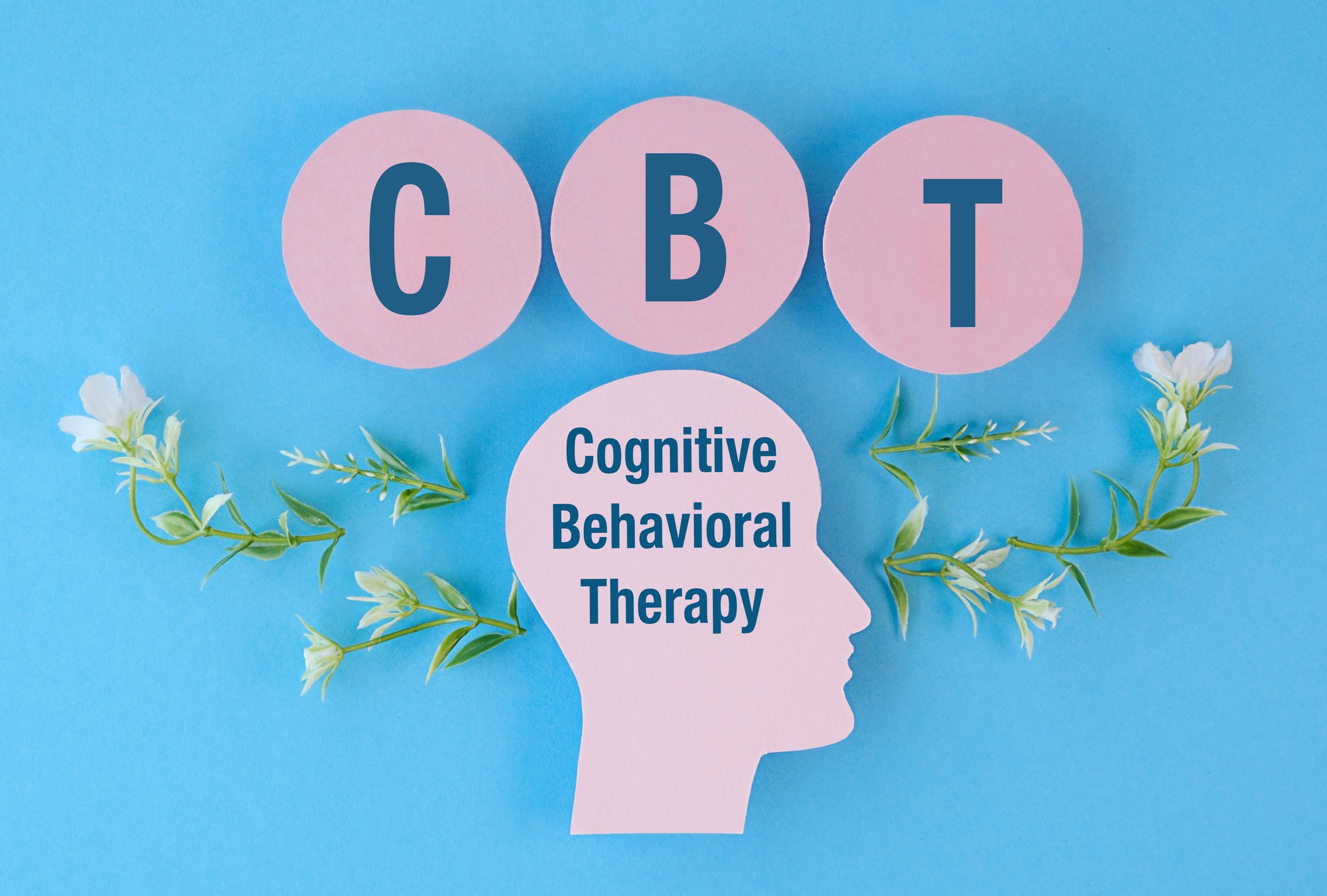
Our primary therapeutic foundation is Rational Emotive Behavioral Therapy (REBT)—the original form of Cognitive Behavioral Therapy (CBT).
Focus Areas:
- Beliefs about self, world, and future
- Restructuring negative self-talk
- Understanding how thoughts influence emotions and behavior
- Reframing maladaptive thinking patterns
Key Insight:
Cognitive interpretation drives emotional response—and changing beliefs creates lasting transformation.
Personalized Treatment Modalities
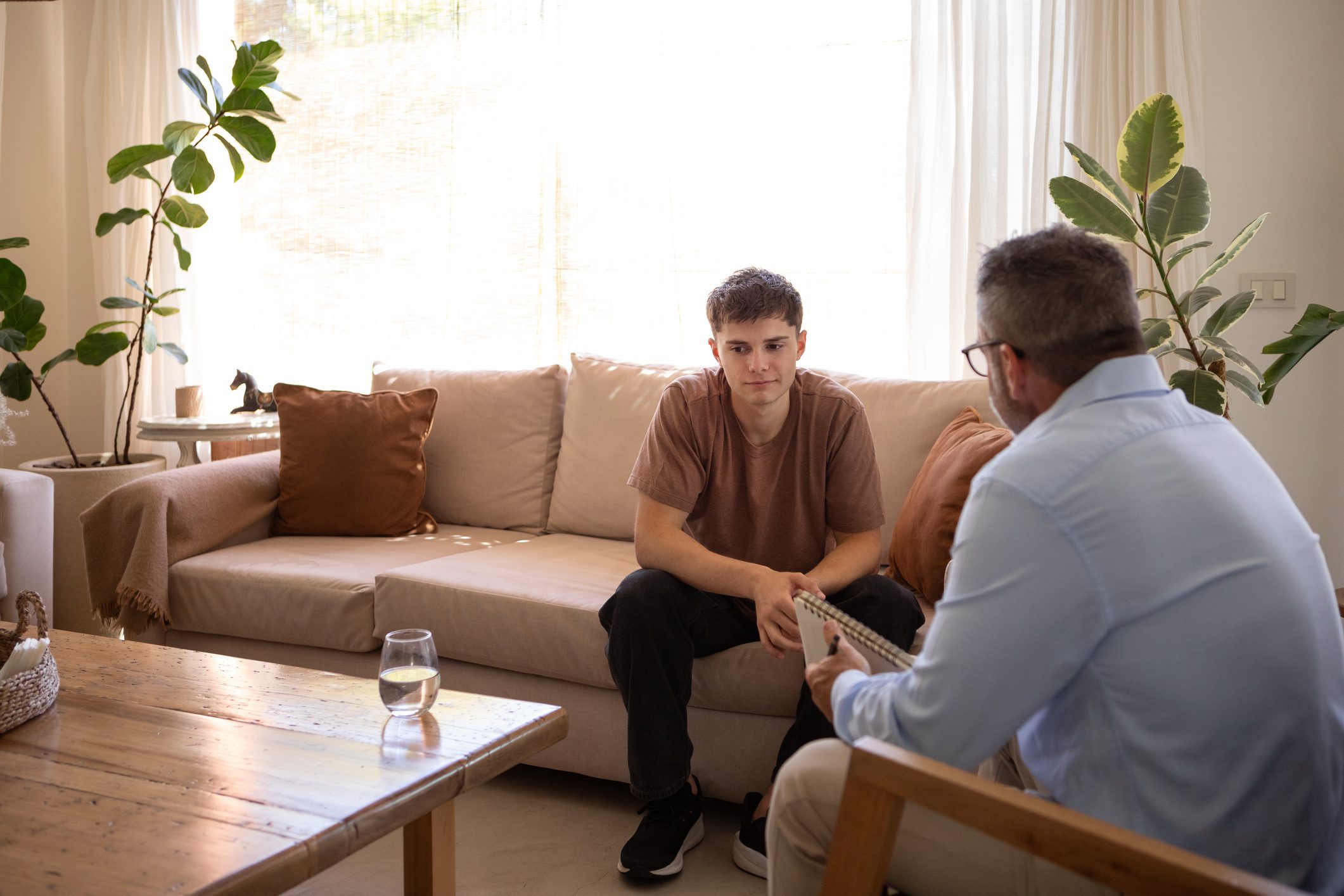
Tailored to You — Not One-Size-Fits-All
We match therapeutic approaches to each individual’s needs.
Modalities May Include:
- REBT / CBT (core)
- Mindfulness-based therapy
- Behavioral activation (building meaningful activity)
- EFT, Gottman, and Satir methods (for relationships)
- Psychoeducation
- Lifestyle and behavioral interventions
Callout:
This is precision psychotherapy, designed specifically for you.
Biological & Physiological Support
Addressing the Body to Support the Mind
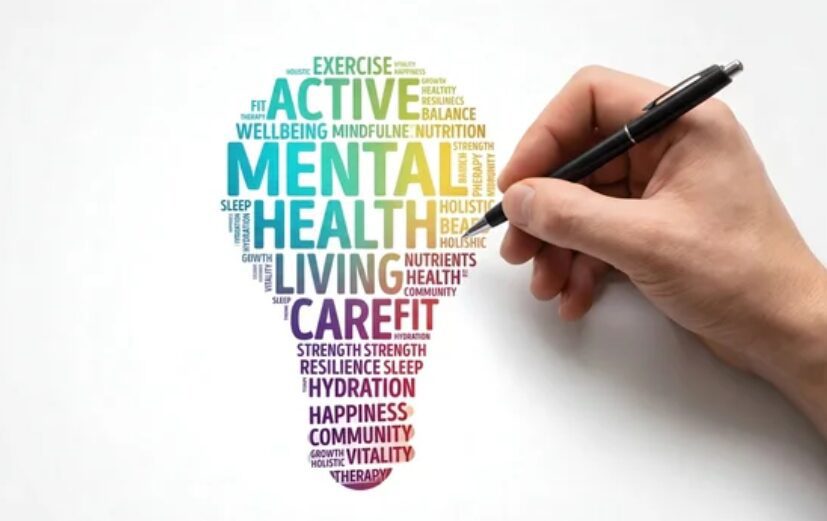
We recognize that mental health is strongly influenced by physical health.
Areas Addressed:
- Nutrition
- Sleep patterns
- Exercise
- Lab analysis (vitamins, hormones, thyroid, cortisol)
Insight:
Many psychological symptoms are intensified—or even caused—by physiological imbalances.
Spiritual & Meaning-Based Healing
Restoring Purpose and Identity
We incorporate the spiritual dimension as a stabilizing force for resilience and identity.
Practices May Include:
- Meditation
- Nature exposure
- Music
- Yoga
Positioning:
Purpose and meaning are essential components of long-term emotional stability.
Outcomes & Results Focus
Focused on Real-Life Improvement
Goals Include:
- Increasing meaningful and enjoyable activities
- Improving daily functioning
- Strengthening self-efficacy
- Building long-term resilience and coping skills

Belief System & Change Model
Changing Beliefs to Change Outcomes
Concept Overview:
- Activating Event → Belief → Emotional/Behavioral Outcome
We help patients:
- Identify negative belief patterns
- Replace them with adaptive, constructive thinking
- Integrate biological and spiritual influences into healing
Integrated Care Model
Coordinated Medical & Psychological Support
When appropriate, we integrate psychotherapy with:
- Medication management
- Psychiatry collaboration
- Nutritional guidance
- Diagnostic lab support
Medication is a supportive tool—not the sole solution. True healing comes from integration.